Frequently Asked Questions
-
Many designer types exist, including various 3D artist and specialist type roles.
some of those skills overlap and usually most 3D artists have exposure to a range of 3D roles along with design and video editing skills with different strengths in 3D, but do not always specialize in just graphic design or one discipline.
Some niche specialized roles require different requirements, tasks, workload, tools and knowledge.
-
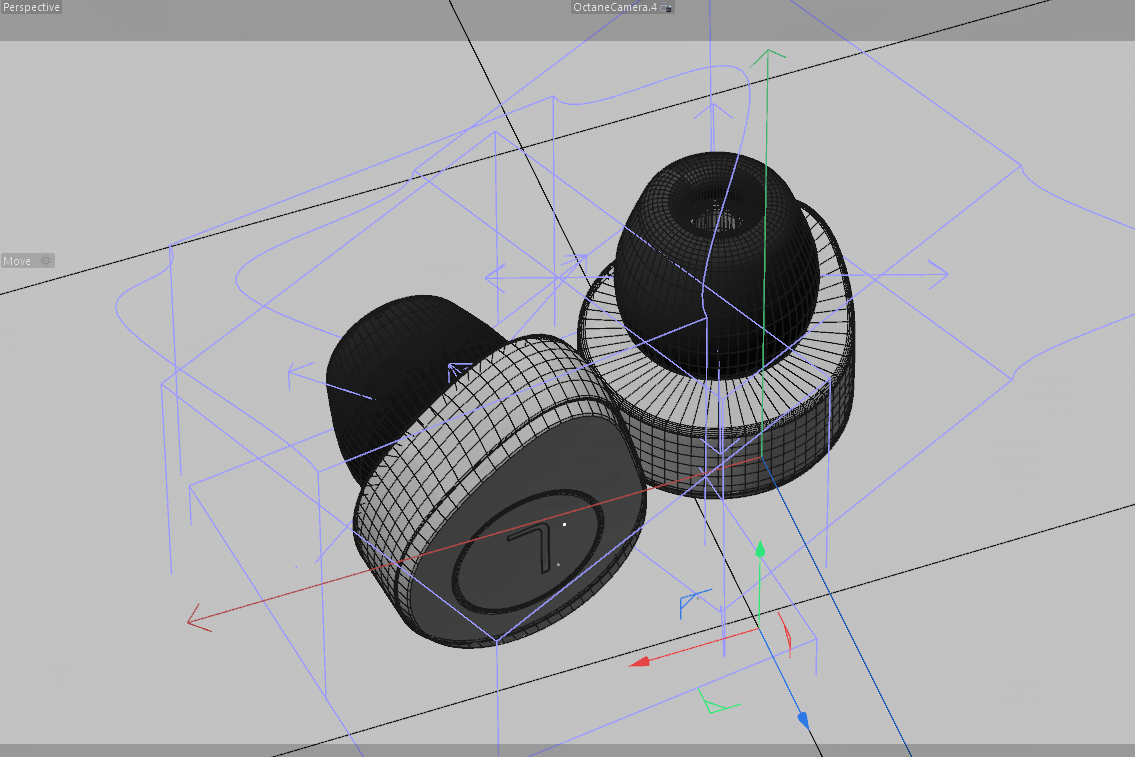
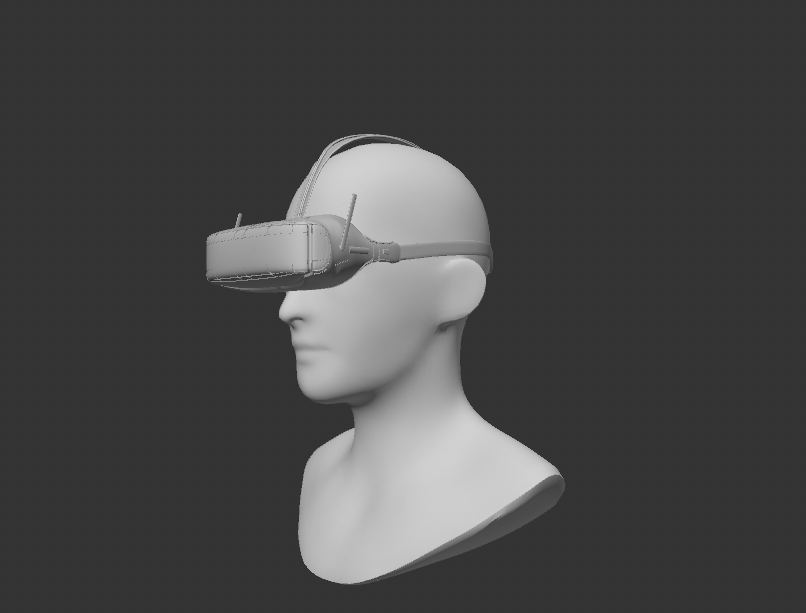
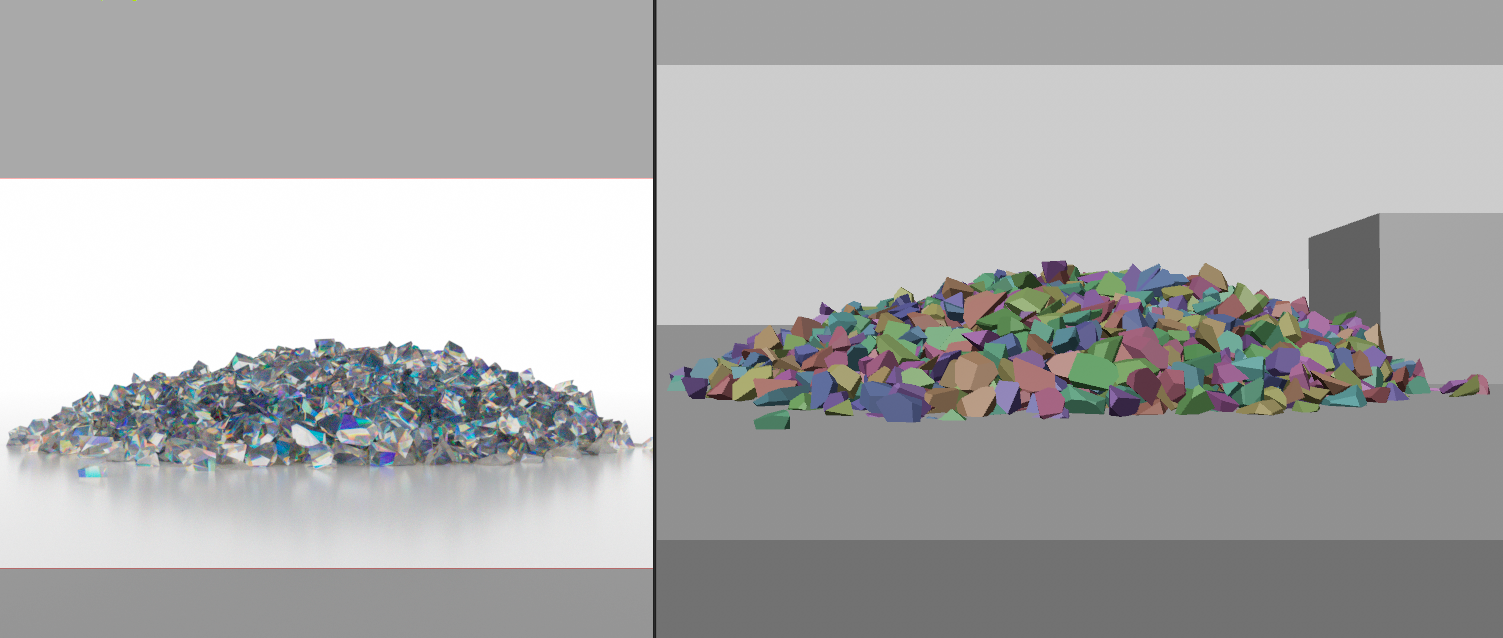
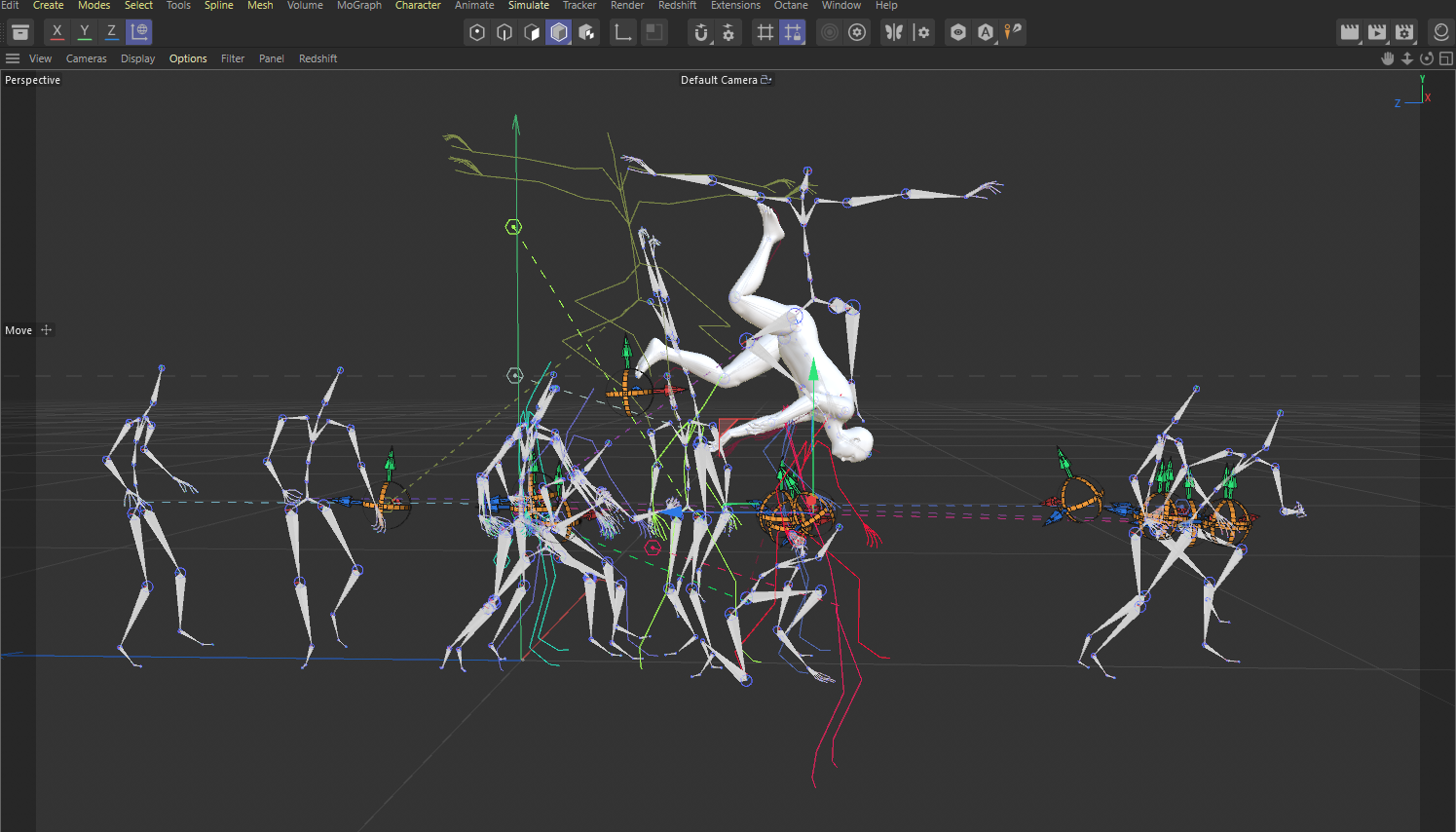
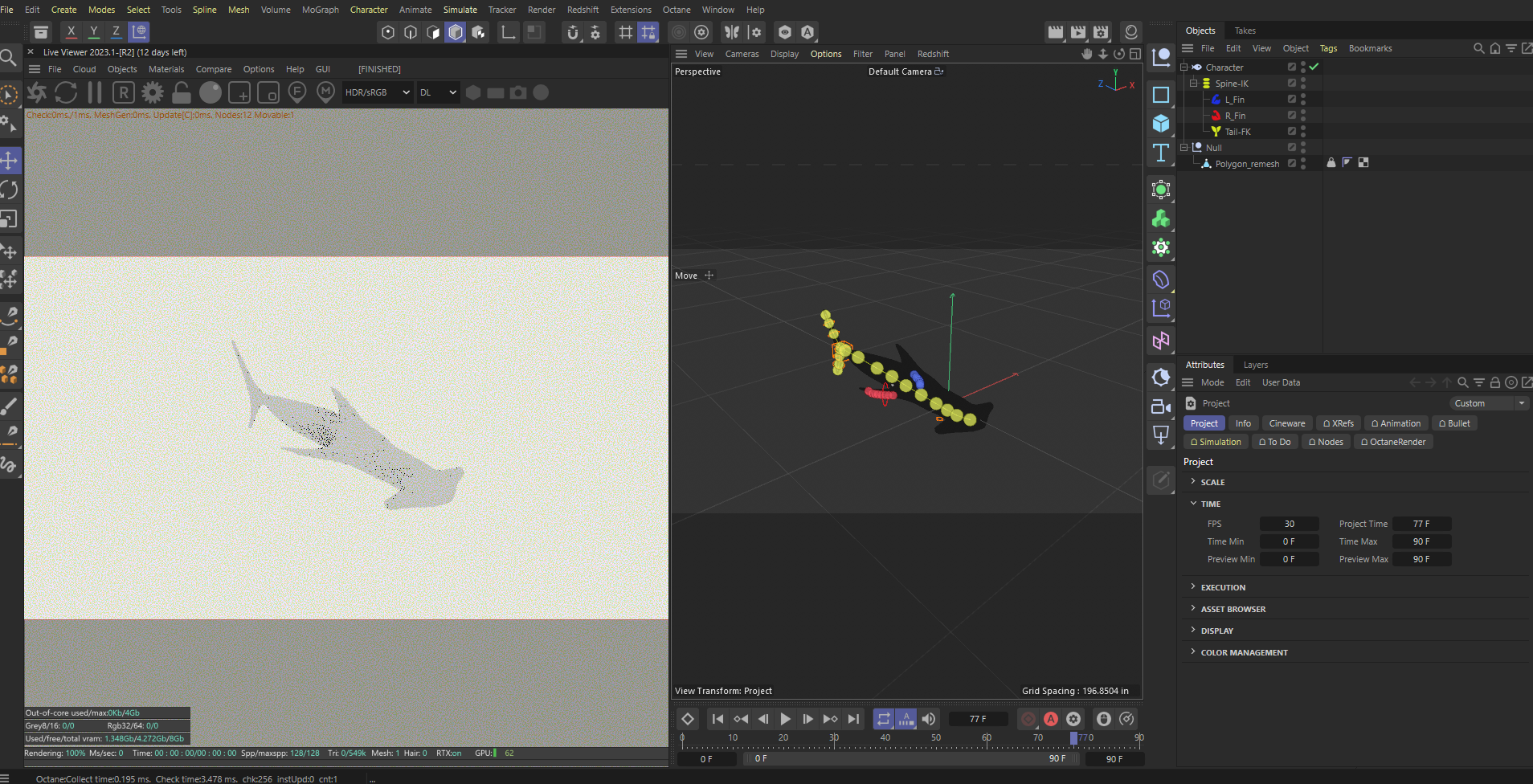
I create 3D digital assets and visualizations from rough visual reference or imagination using 3D modeling, animation, rendering tools for motion graphics, VFX, and more.
These are things like:
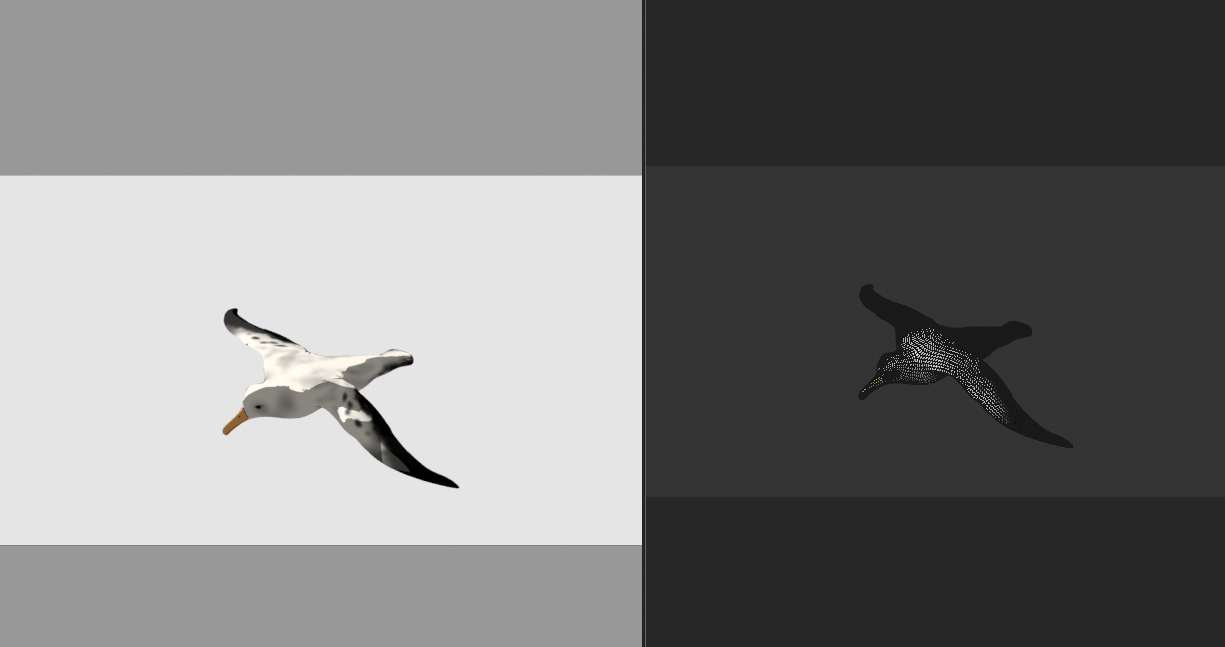
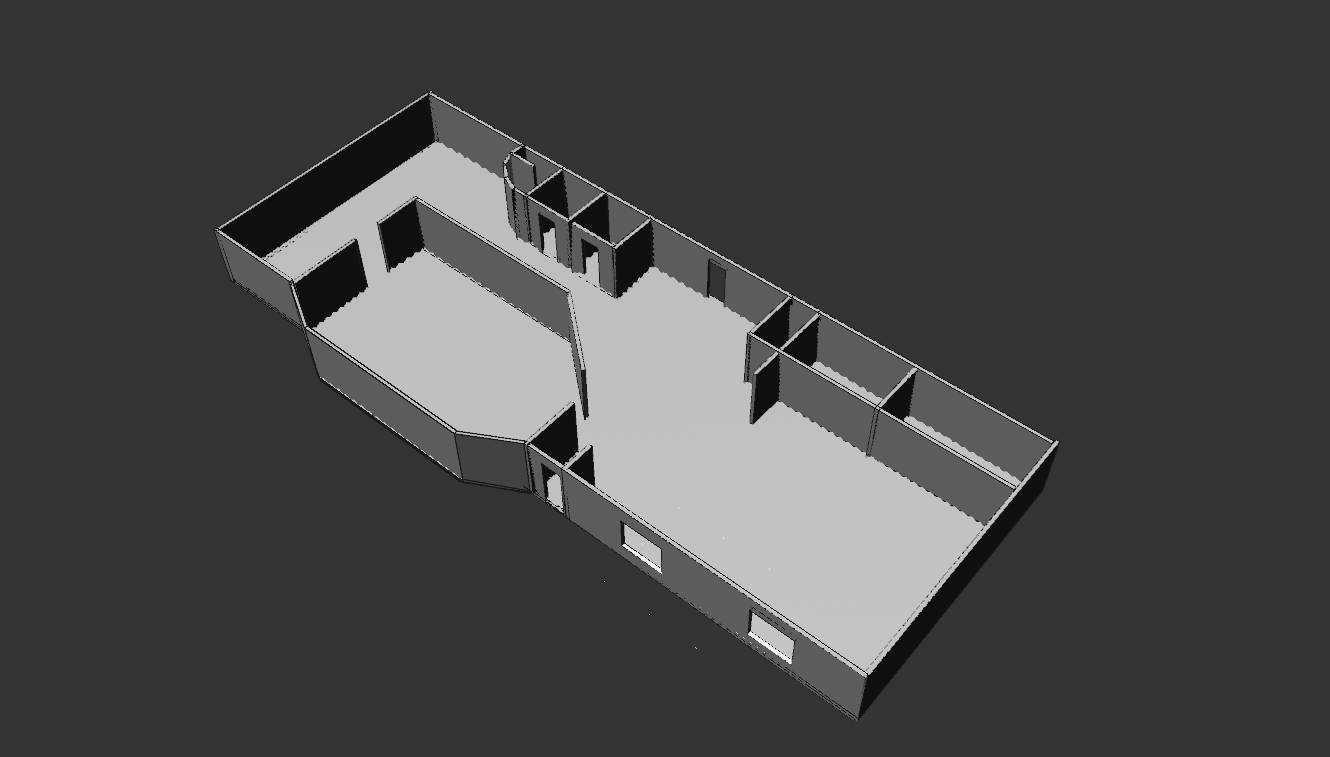
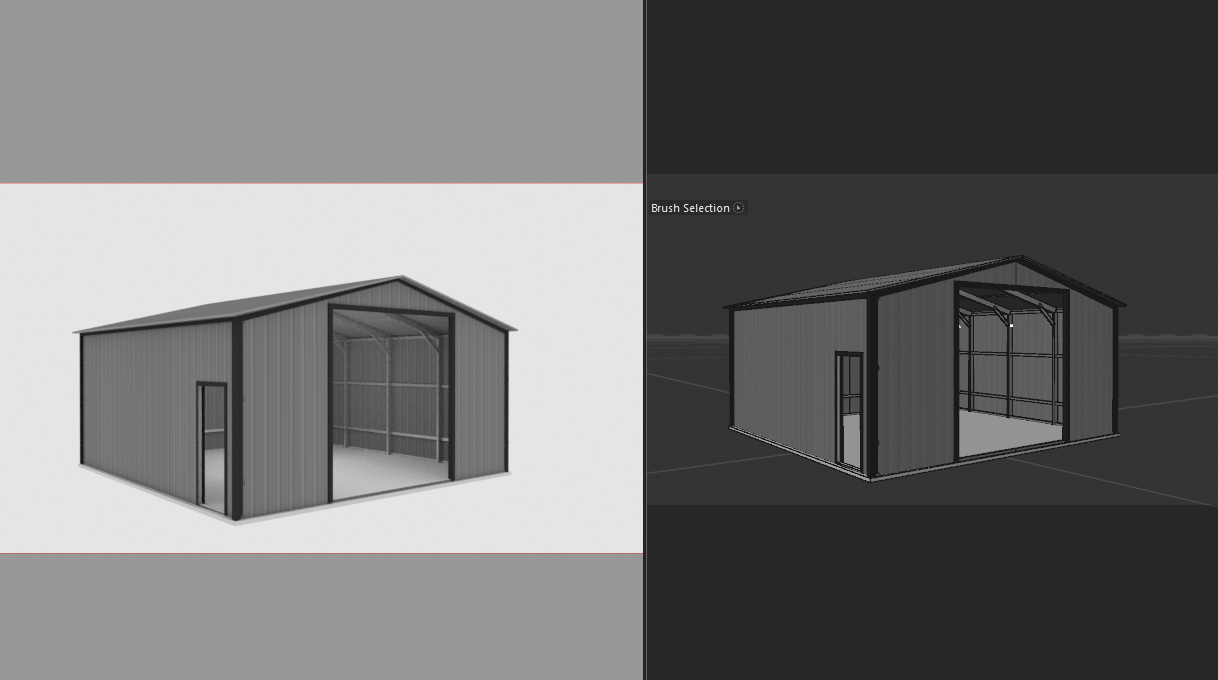
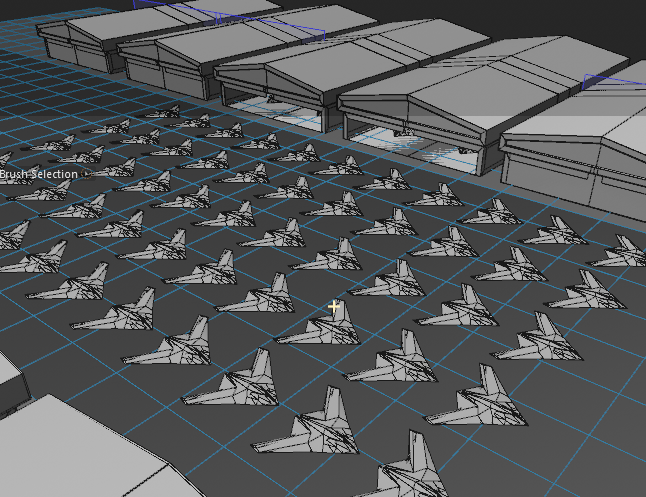
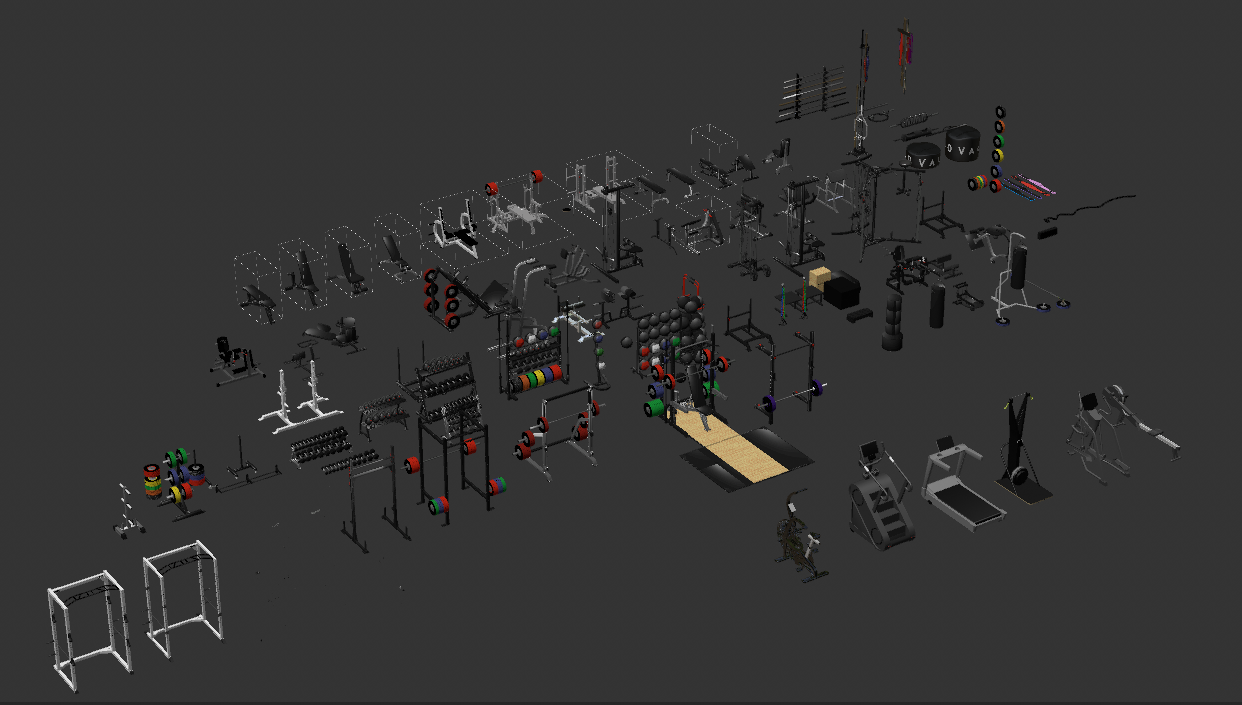
3D Product Models, 3D product marketing assets for Ads, 3D floor plans, game assets, interactive web assets, the billboard you saw with the cool 3D motion graphics, The product demo that plays in the lobby or your next big presentation meeting, visual assets to contribute to pitch decks, hero shot renders, style frames, concepting and things like…
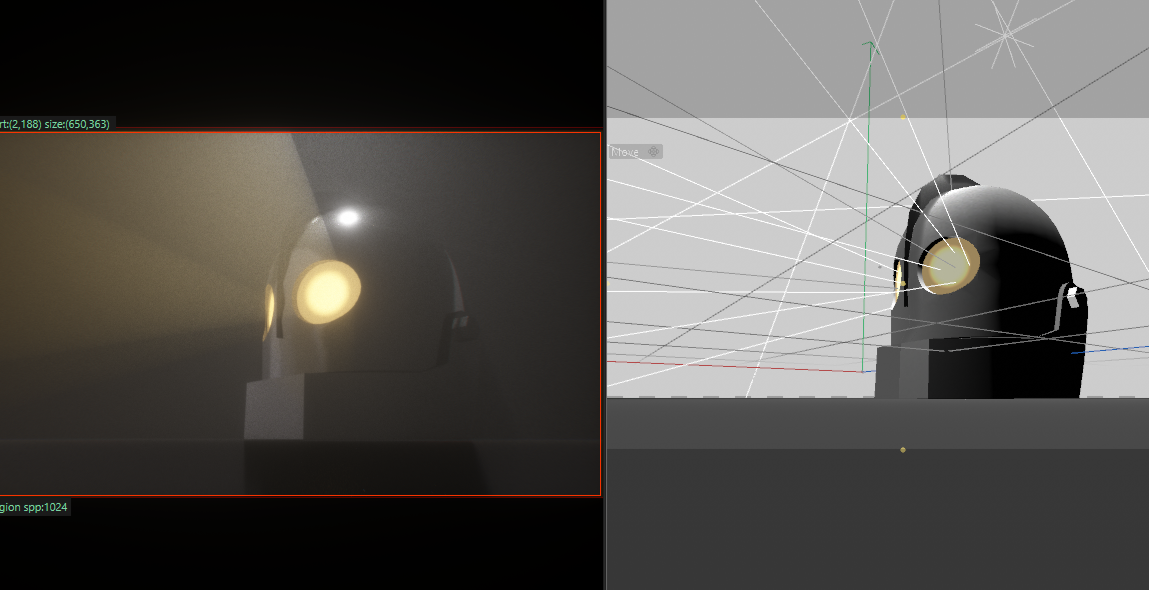
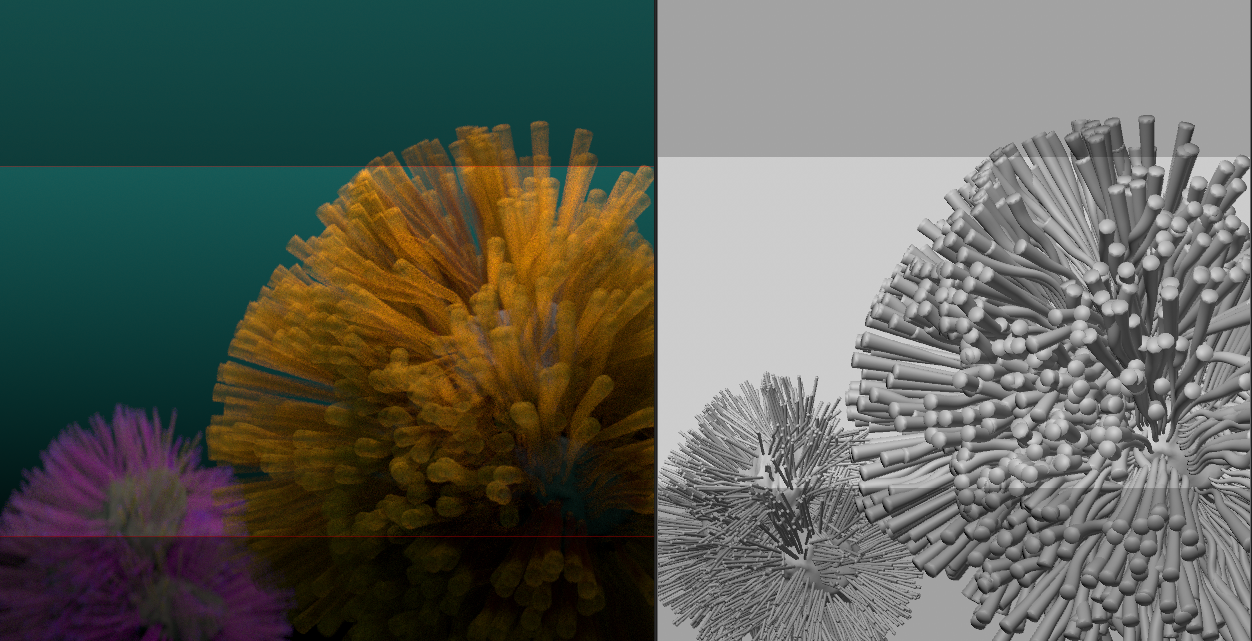
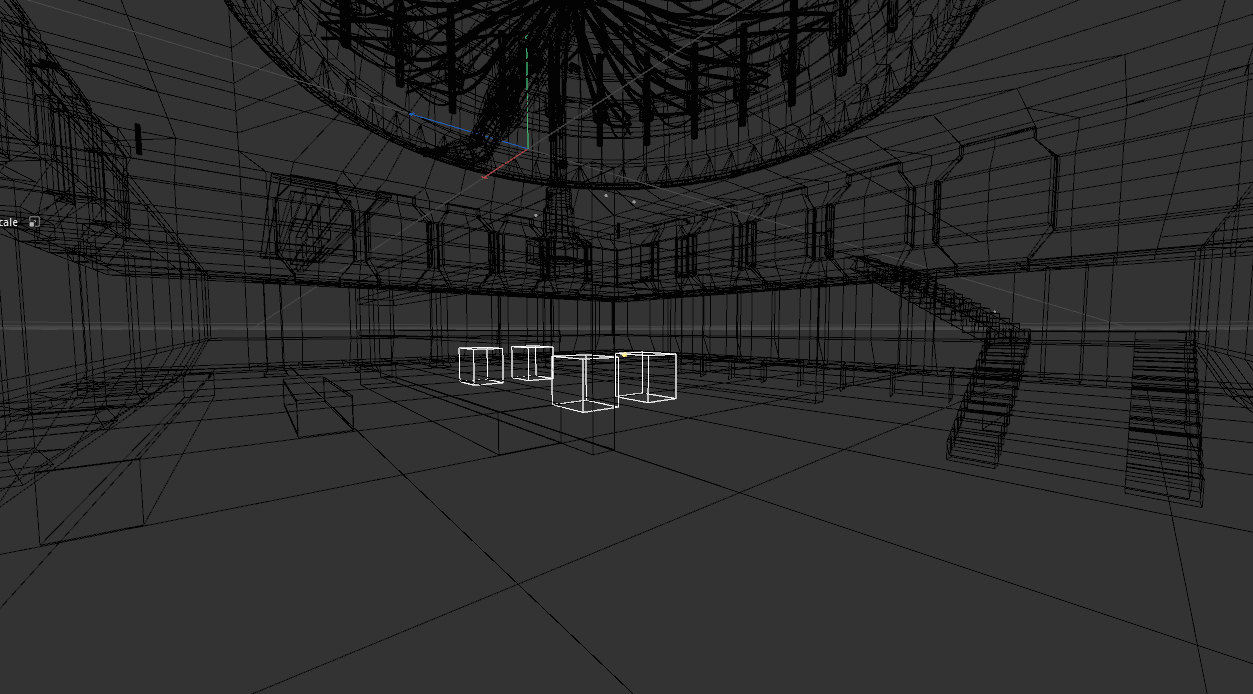
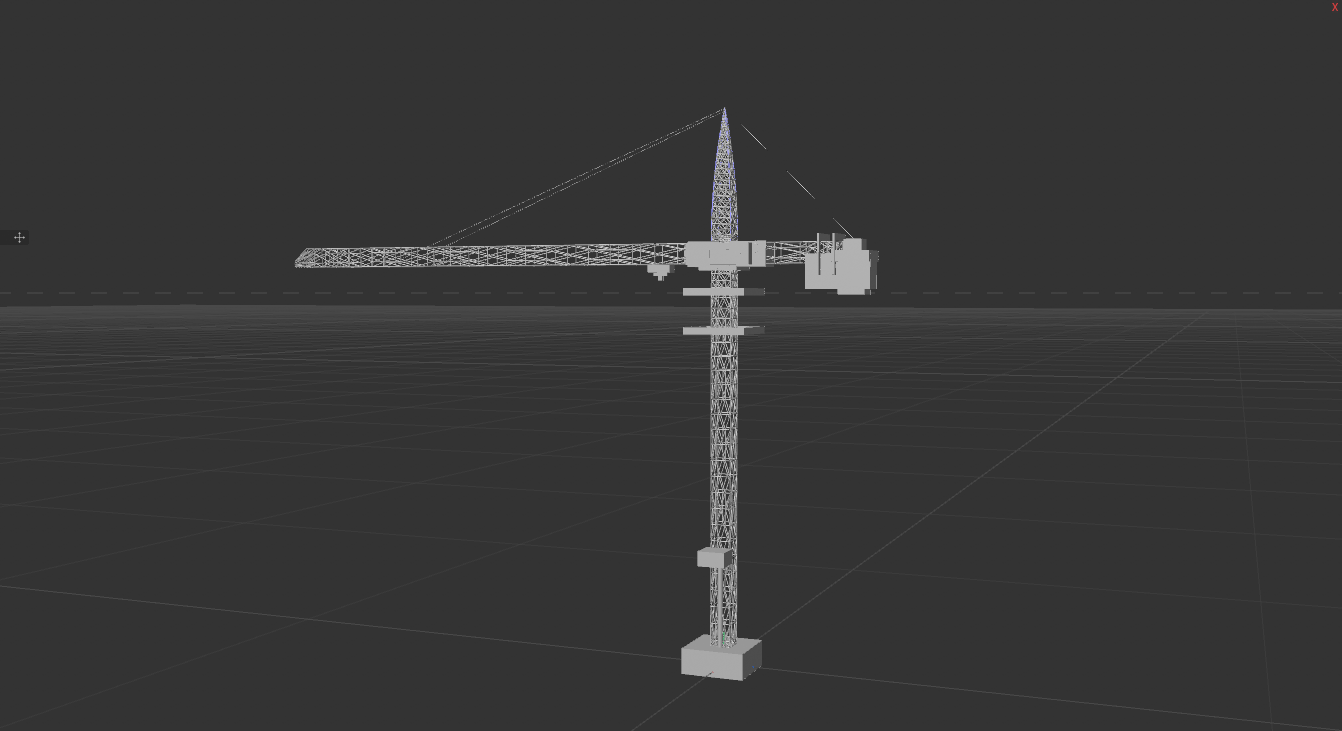
Modeling & Rendering: Creating detailed 3D models and photorealistic renderings of products, interiors, or architectural exteriors using software like Cinema 4D, Unreal Engine or Blender.Workflow Control: Managing the end-to-end 3D production process to ensure project deadlines and quality standards are met.
Design Interpretation: Translating 2D sketches, CAD drawings, or concepts into 3D environments, including lighting, material application, and texturing.
Virtual/Augmented Reality (VR/AR): Developing immersive experiences and interactive, specialized, or complex assets.
-
Getting started is simple. Reach out through the contact form or schedule a meeting so we can figure out the next steps for your project goals.
-
STEP 1.
Style frames, sketch or a doodle, photos, mood board, drawings, floor plans, or other materials including notes and feedback are all vital ways to catalyze this step.
STEP 2.
this part is where early visual development begins and takes shape forming the foundation for the creative projects. Clarifying all requirements and road blocks. mostly begins with 3D modeling.
Step 3.
Drafts are delivered with early pre-visualization tests completed, confirmation and feedback cycle before final post stages. Technical preparation for renders begins.
Step 4.
Render Stages and finalizations complete. Exporting and post prep. Final touches are applied. Confirm deliverable notes and complete the project.
-
You can reach out anytime via the contact page.
-
It’s based on availability, project type, project scope budget and complexity. After an initial conversation, we’ll brainstorm ideas.
-
It can vary across different project types depending on the task, but for the most part I stick to a few main tools.
Cinema 4D
Octane Render
After Effects
Photoshop
Davinci
Unreal EngineAnd always trying to learn more.